

QTC Education - Emissions Accounting and Reporting for Queensland - March 2027
Mar 17, 2027 - Mar 17, 2027
Full course description


About this course


Course Snapshot
Learning outcomes:
- Explain the fundamentals of greenhouse gas emissions and the terminology used in GHG accounting.
- Interpret key regulatory and reporting frameworks relevant to Queensland Government agencies.
- Distinguish between Scope 1, Scope 2, and Scope 3 emissions and identify and resolve data collection challenges.
- Define organisational and operational boundaries to ensure accurate emissions reporting and compliance with Queensland Treasury guidance.
- Implement strategies that use consistent reporting principles to structure data collection and reporting in line with Queensland Treasury guidance.
Please find below the topics that will be covered.
- Introduction to greenhouse gas (GHG) emissions and governance.
- Overview of climate science, global trends, and legislative requirements.
- Scope 1, Scope 2, and Scope 3 emissions: definitions, sources, and regulations.
- Setting organisational and operational boundaries for emissions reporting and their implications.
- Practical approaches to addressing reporting challenges.
This foundational course is designed for Queensland public sector employees responsible for sourcing and collating emissions accounting data for Queensland Treasury reporting requirements, in addition to those considering organisational emissions in corporate strategy and performance. Relevant divisions may include procurement, finance, sustainability, governance, compliance, reporting, asset management and strategy teams.
No prior knowledge of the topics or public sector processes are assumed.
NOTE: This course is for Queensland public sector employees only.
Participants will receive a digital badge upon successful completion of the course, which can be shared on various online platforms to showcase skills and achievements.
Please note that to be eligible for a digital badge, you must attend all sessions and complete all associated learning content/activities.
This course is delivered in-person incorporating practical, team exercises, reflective activities and online resources to support participants to apply learnings.
| Day | Session/Delivery |
| 1 Day |
In-person (Brisbane): Wednesday 17 March 2027 8:45 am arrival for 9:00 am start - 5:00 pm AEST Griffith Graduate Centre (S07), Level 2 Function Room Griffith University South Bank Campus, Brisbane 33 Sidon Street, South Bank QLD 4101 |
Commitment to all sessions within this course is essential for an optimised learning experience.
If you have any questions or general enquiries, please contact us at qtceducation@griffith.edu.au
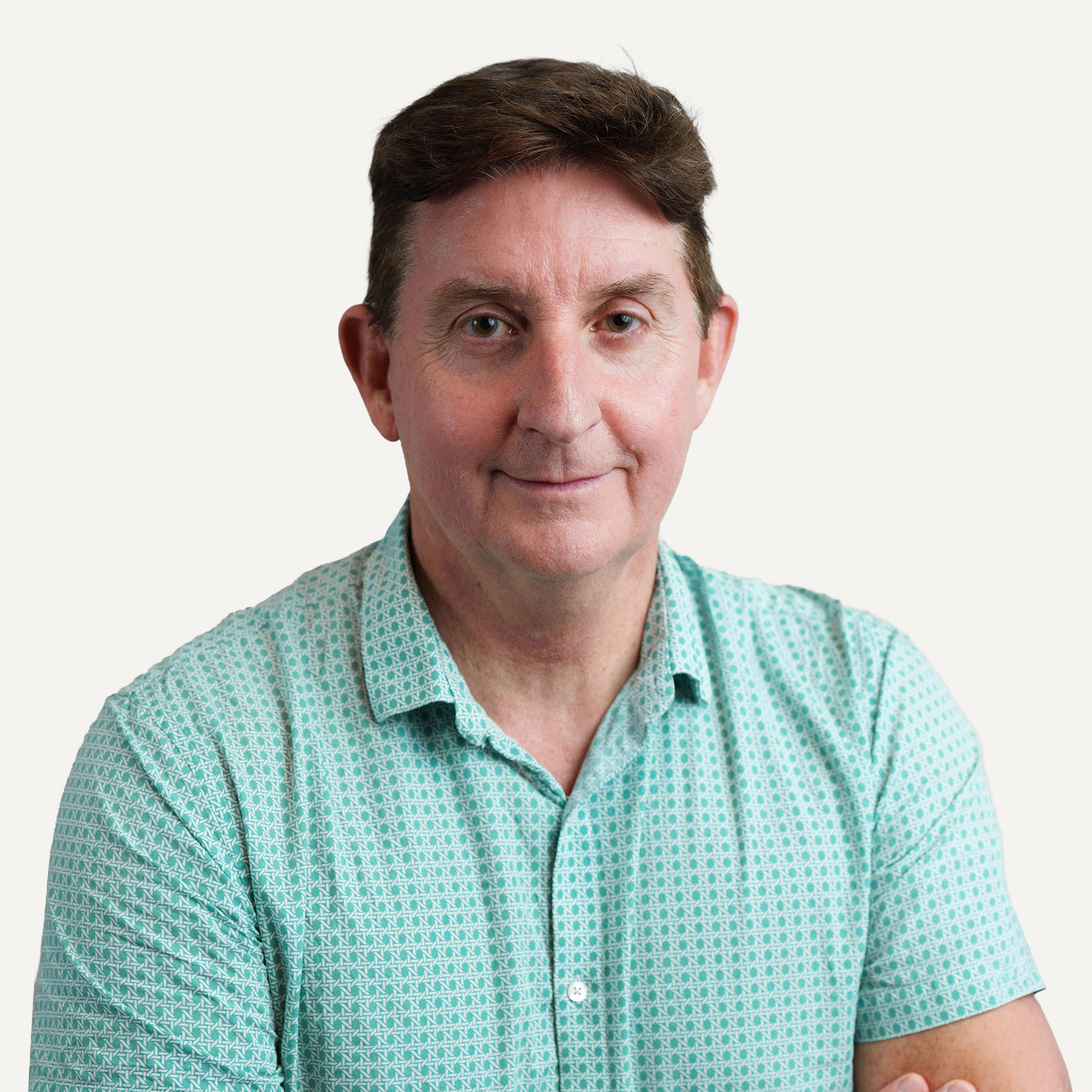
Assoc. Prof. Robert Hales
Rob Hales is the Discipline Leader of Sustainable Business in the Griffith Business School. His research interests focus on climate change governance in business, climate change policy and governance, carbon markets, sustainable tourism and working with First Peoples on consent processes and climate change. Associate Professor Hales has completed numerous research consultancies for business and government throughout Australia. He is currently working on climate finance research projects aimed at facilitating transformation in climate-resilient development.
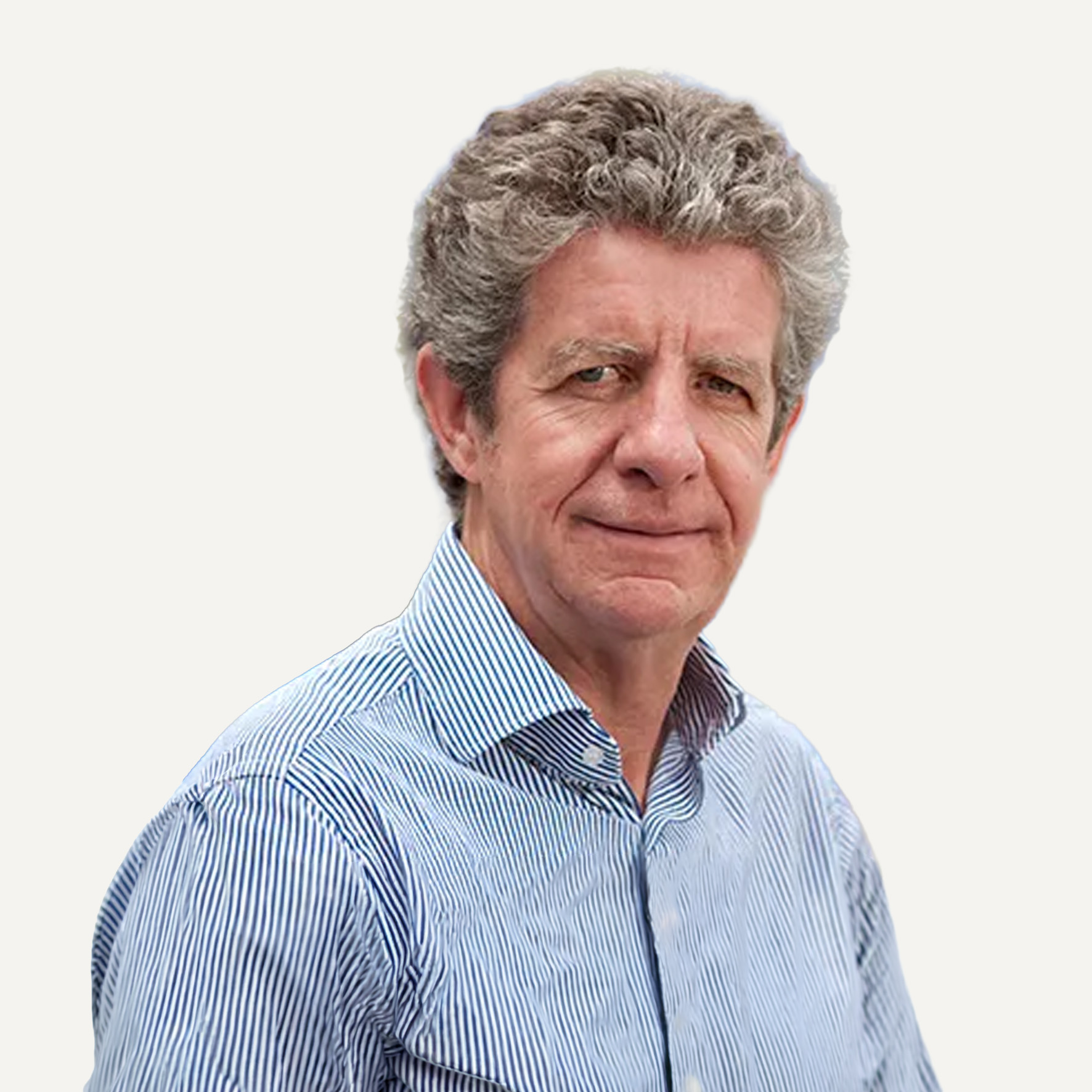
Prof. Brendan Mackey
Professor Brendan Mackey is Director of the Griffith Climate Action Beacon at Griffith University, Queensland. He has a PhD in plant ecology from The Australian National University. He has over 300 academic publications in climate change research, biodiversity, and related topics in environmental science and policy.